Guides
What is a hackathon? How hackathons work, explained
What is a hackathon? A plain explanation of how hackathons work, the main types, the usual rounds and the terms you’ll hear, for students in India.
HackathonFinder Team · · 6 min read

A hackathon is an event where small teams, usually of two to four people, build a working prototype of a software or hardware idea in a fixed time, often 24 to 48 hours, and then demo it to judges. Teams are judged on the problem they chose, what they built and how well they explain it.
The word comes from “hack”, in the sense of building something clever quickly, and “marathon”. Hackathons are run by colleges, companies, communities and governments, and in India they’ve become one of the most popular ways for students to learn, build a portfolio and meet people in tech. If you’re wondering how hackathons work, what the different types are and what terms like MVP or PPT round mean, this guide explains it all in plain language.
How do hackathons work?
Formats vary, but most hackathons follow a similar path from announcement to results.
1. Announcement and registration
The organiser publishes the theme, dates, eligibility, team size, prizes and rules, then opens registration. In India this often happens on platforms such as Unstop, Devfolio, Devpost, MLH and HackerEarth, or on a college fest site.
2. Team formation
You register alone or as a team. Many events have team size limits, often somewhere between two and five people, and some help solo participants find teammates.
3. Round 1: the idea or PPT round
Larger events, especially in India, often start with a screening round. Teams submit a short deck or form describing the problem they’ll tackle and how. Organisers shortlist the strongest ideas.
4. The build
Shortlisted teams build their project, either online over several days or in person over a day or two. Mentors are usually available to help.
5. Submission, demo and judging
Teams submit their code, a demo video, a deck or all three, then present to judges. Judges score projects against published criteria such as problem relevance, technical execution, design, impact and presentation.
6. Results and prizes
Winners are announced, sometimes with separate track or sponsor prizes. Prizes can include cash in ₹, credits, swag, certificates and, at some company events, interview opportunities.
What happens at a hackathon finale?
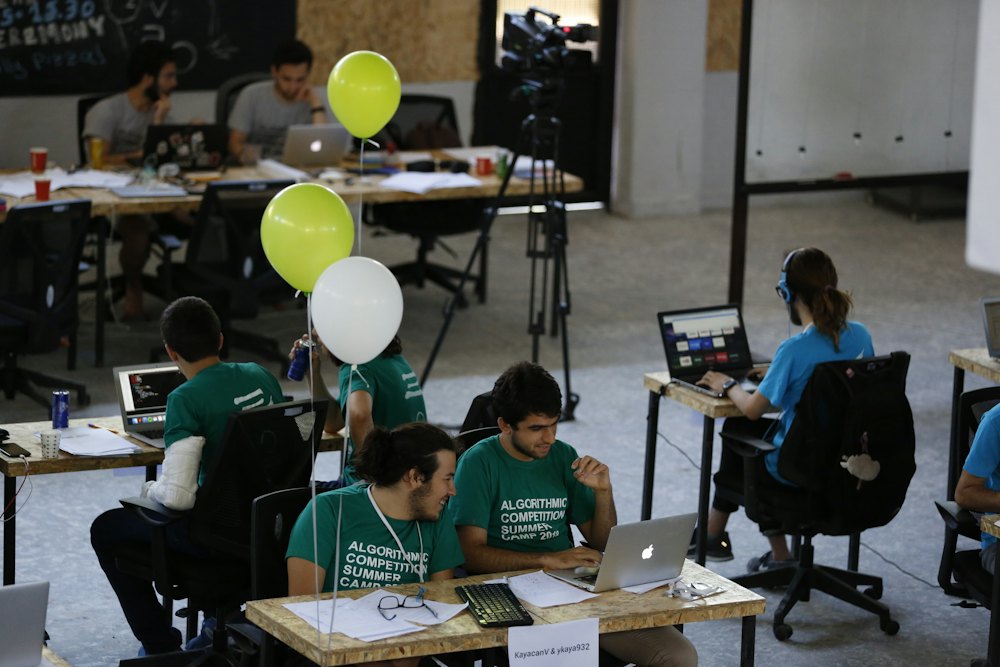
The finale is the final round, usually held in person for larger events. Teams arrive, set up, build or polish their project for a fixed time, then present to a panel. Expect an opening briefing, mentor rounds where experts visit each table, a code freeze when building must stop and a demo session followed by questions from judges. For overnight events, organisers usually provide food and a place to rest, but check the logistics section first.
What are the types of hackathons?
By format
- Online: joined from anywhere, often with longer build windows.
- Offline or in-person: held at a campus or office, often over a day or a weekend.
- Hybrid: online early rounds with an in-person finale, a very common pattern in India.
By theme
- Open innovation: build anything you like.
- Themed: focused on an area such as AI/ML, fintech, healthtech, climate, Web3 or smart cities.
- Problem-statement based: the organiser publishes specific problems and teams choose one.
By organiser
- College hackathons: run by clubs or as part of tech fests.
- Company hackathons: run by startups or larger firms, sometimes to hire or to promote a product.
- Government hackathons: run by public bodies, often with problem statements from ministries or departments.
- Community hackathons: run by developer groups and open-source communities.
Close relatives
- Ideathons: focused on the idea and pitch, with little or no code.
- Game jams: build a game around a theme in a fixed time.
- CTFs: capture-the-flag security competitions where teams solve challenges.
- Data science challenges: teams compete on a dataset and a metric, often with a leaderboard.
Who can take part in a hackathon?
Most student hackathons are open to anyone currently enrolled in college, from first-years onwards, and many also welcome recent graduates or working professionals. Some are limited to one college, a particular year or a region. The eligibility section of the event page is the final word. Our checklist before you register covers what else to check.
Do you need to be an expert coder?
No. Coding is usually central, but teams also need people who can design screens, understand the problem domain, research users and deliver the pitch. Beginners regularly finish good projects by keeping the idea small. See our guide to free online hackathons for beginners.
A hackathon glossary
- Problem statement: the specific challenge set by the organiser that teams must address.
- Theme or track: a broad area, such as healthtech or AI, often with its own prizes.
- Round 1, idea round or PPT round: a screening stage where teams submit a short deck explaining their idea.
- Shortlist: the teams selected to move on to the build round or finale.
- MVP: minimum viable product, the smallest version of your idea that works and shows its value.
- Prototype: an early working model, which can be partly faked as long as the main flow works.
- Demo: a live walkthrough of your project showing it in use.
- Pitch: your short presentation to judges covering problem, solution, demo and impact.
- Finale: the final round, often in person, where shortlisted teams build and present.
- Mentor: an experienced person who helps teams during the event.
- Judging criteria: the published rubric judges use to score projects.
- Code freeze: the moment teams must stop changing code before judging.
- Submission: what you hand in, usually a repo, demo video, deck or hosted link.
- Track prize or sponsor prize: a prize for the best project in a category or using a sponsor’s tool.
- Swag: free merchandise such as T-shirts and stickers.
Is a hackathon worth your time?
For most students, yes. You learn faster than in most classes, finish a real project for your resume, practise teamwork and presenting, and meet people from other colleges and companies. Winning is a bonus. The time to be careful is when an event clashes with exams or costs more in travel than you can afford, so plan with the calendar. Our guide on hackathons, resumes and internships explains how to make the most of what you build.
How do you find your first hackathon?
Browse upcoming events on HackathonFinder, which gathers listings from platforms, college sites and social media in one place, or use hackathons near me to see in-person events closest to you first. Need teammates? Try the Team Finder board. Then read how to win your first hackathon before the big day.
Frequently asked questions
What is a hackathon?
A hackathon is an event where small teams build a working prototype of a software or hardware idea in a fixed time, often 24 to 48 hours, and then demo it to judges. Teams are judged on the problem they chose, what they built and how well they explain it.
Is a hackathon only for coders?
No. Coding is usually central, but teams also need people for design, research, domain knowledge and the pitch. Some events, such as ideathons, focus on ideas and presentations rather than code.
How long does a hackathon last?
Many in-person hackathons run for 24 to 48 hours. Online hackathons can run for several days or weeks. Multi-round events may have an online idea round first and a shorter build round later.
Do hackathons cost money?
Many are free to enter. Some charge a registration fee, and offline events may involve your own travel and food costs unless the organiser covers them. Always check the official event page.
What is the PPT round in a hackathon?
It is a screening round, often called round 1 or the idea round, where teams submit a short slide deck explaining their problem, solution and approach. Organisers use it to shortlist teams for the build round or finale.
Ready for your next hackathon?
Search open hackathons by city, theme, deadline and team size.
Find hackathons